

Pollen Allergy in California’s Central Valley
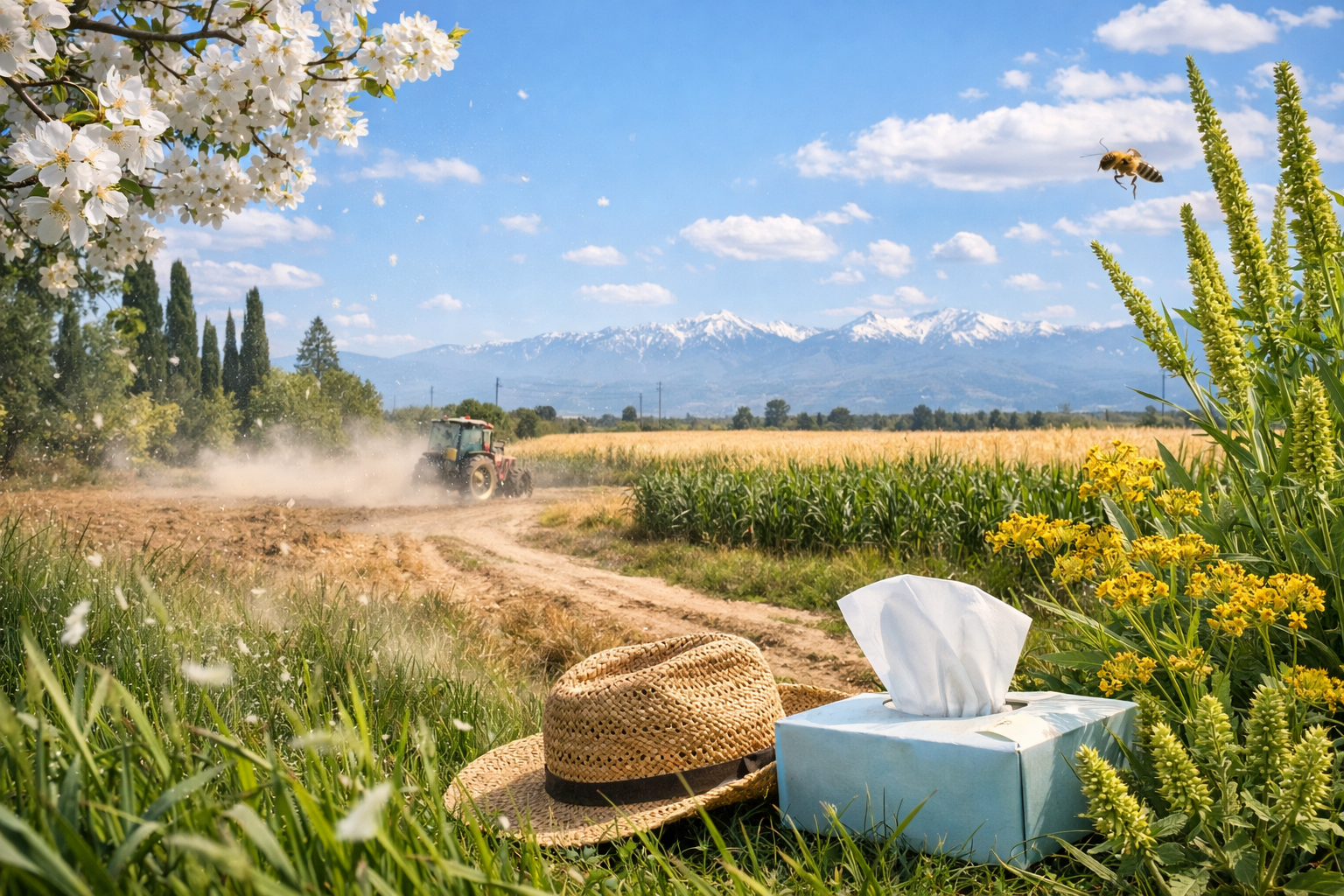
Pollen allergy, otherwise known as seasonal allergic rhinitis, commonly referred to as hay fever, is a common experience shared by a large number of residents living in the Central Valley of California. If you are prone to sneezing, a congested nose, itchy eyes, and a running nose during various months of the year, you are likely to be experiencing the effects of pollen allergy. The weather conditions and vegetation favored by the Central Valley’s agriculturally based economy are known to occasion some of the most prolonged and severe allergy seasons in the country.
Why Pollen Allergies Are So Common Here
Here are a few environmental factors that establish the Central Valley as an allergy hotspot. The region boasts an abundance of trees, grasses, and weeds that produce pollen during different seasons:
- Spring: Pollen from oak trees, maple trees, cypress trees, walnut trees, olive trees
- Late Spring and Summer: Grass Pollen
- Late Summer and Fall: Weed pollens such as ragweed and sagebrush
As these processes are continuous, residents suffer from these symptoms over a relatively long period, not just a few weeks.
Another important sector is agriculture, and this comes into play because the Central Valley is known to be one of the most productive areas of agricultural activity worldwide, and dust, mold, and other plant allergens occur during the spring harvest seasons. Even when you are not near the farms, the wind may transport these allergens to your location.
Common Symptoms
Pollen allergies are generally caused by the immune system’s overreaction to harmless airborne particles, and the symptoms include:
- Sneezing and Nasal Congestion
- Runny Nose
- Itchy, Watery, or Red Eyes
- Scratchy Throat
- Coughing or wheeze
- Fatigue caused by lack of sleep
In addition, for people with asthma, pollen acts as a trigger of problems with breathing.
In addition, symptoms usually intensify:
- On dry, windy days.
- In the early morning when pollen counts peak
- During outdoor activities like gardening or mowing the lawn, when the windows are open at home or in the car.
Unlike other areas like the coasts, the geography of the Valley traps the pollen close to the ground, which makes the problem linger.
How to Reduce Exposure and Find Relief
Simple steps may be taken in managing the symptoms:
- Monitor local pollen counts and try to stay indoors when levels are high
- Close windows and use air conditioning.
- Take a shower and change clothes after going outdoors
- Use high-efficiency air filters inside.
- Wear sunglasses or a mask when going outside during peak seasons.
Over-the-counter medication, like antihistamines and nasal sprays, is available to ease symptoms. However, when allergies are severe, medical remedies are required.
When to See a Specialist
Professional evaluation should be sought if symptoms interfere with daily life, sleep, or asthma control. Allergy testing may pinpoint specific triggers and direct appropriate treatment. Prescription medications or immunotherapy (allergy shots or drops) can offer long-term relief rather than temporary symptom control.
Living in the Central Valley simply means having to put up with some of the highest recorded pollen levels, but effective treatment could make a big difference. The right care plan enables patients to minimize symptoms, avoid complications, and get back to spending much-needed time outdoors.